Roihu supercomputer is officially inaugurated
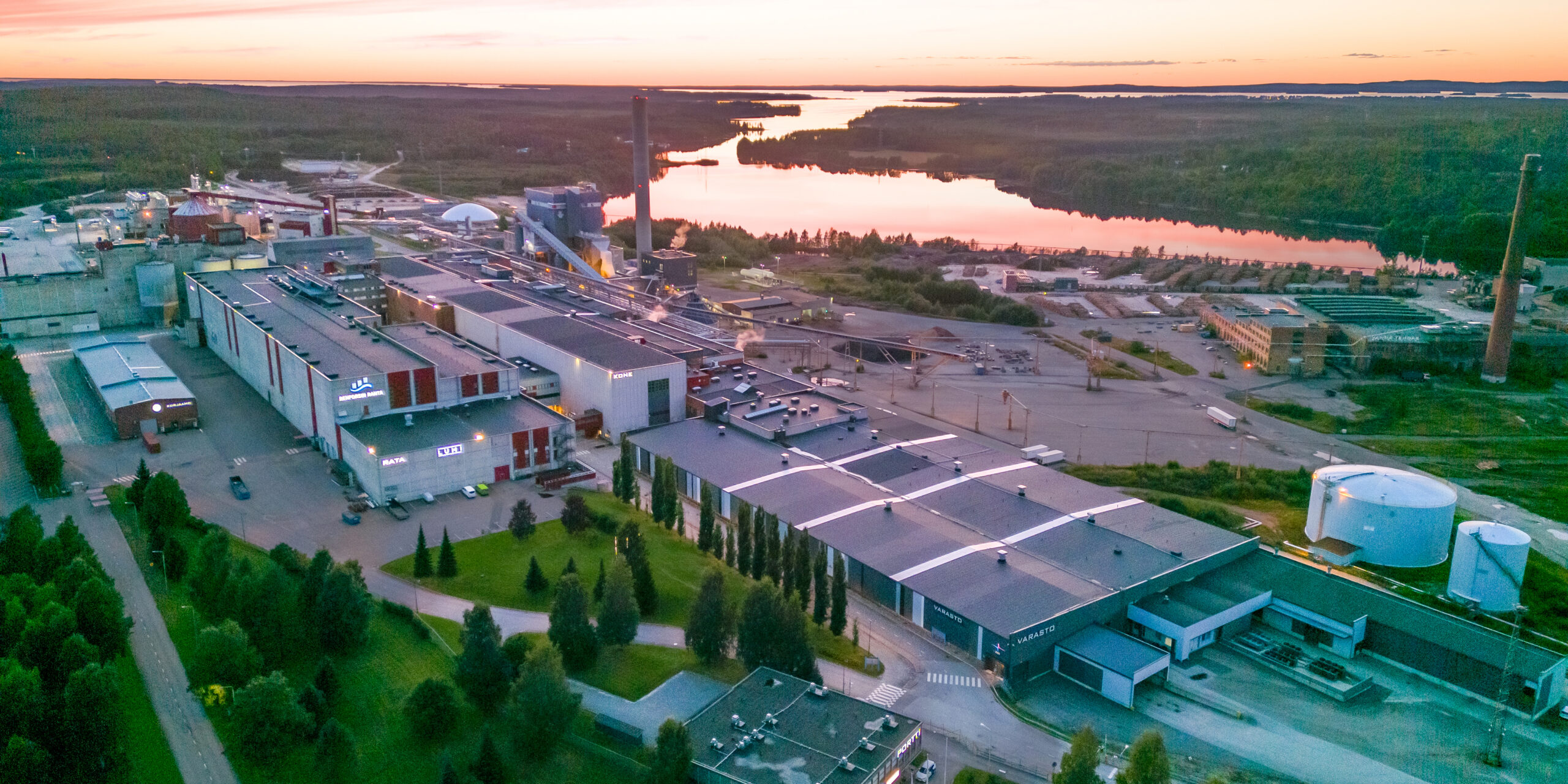
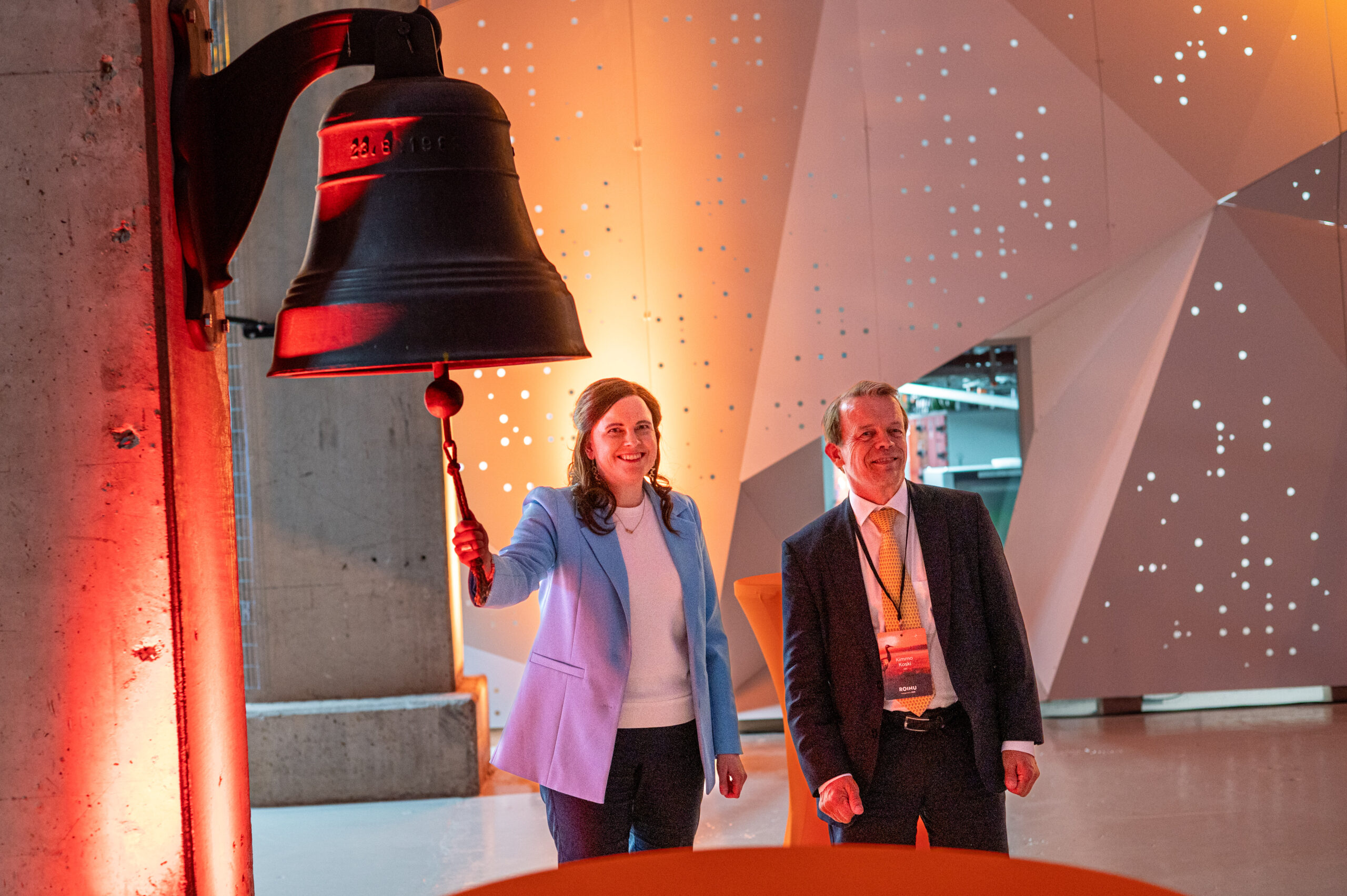
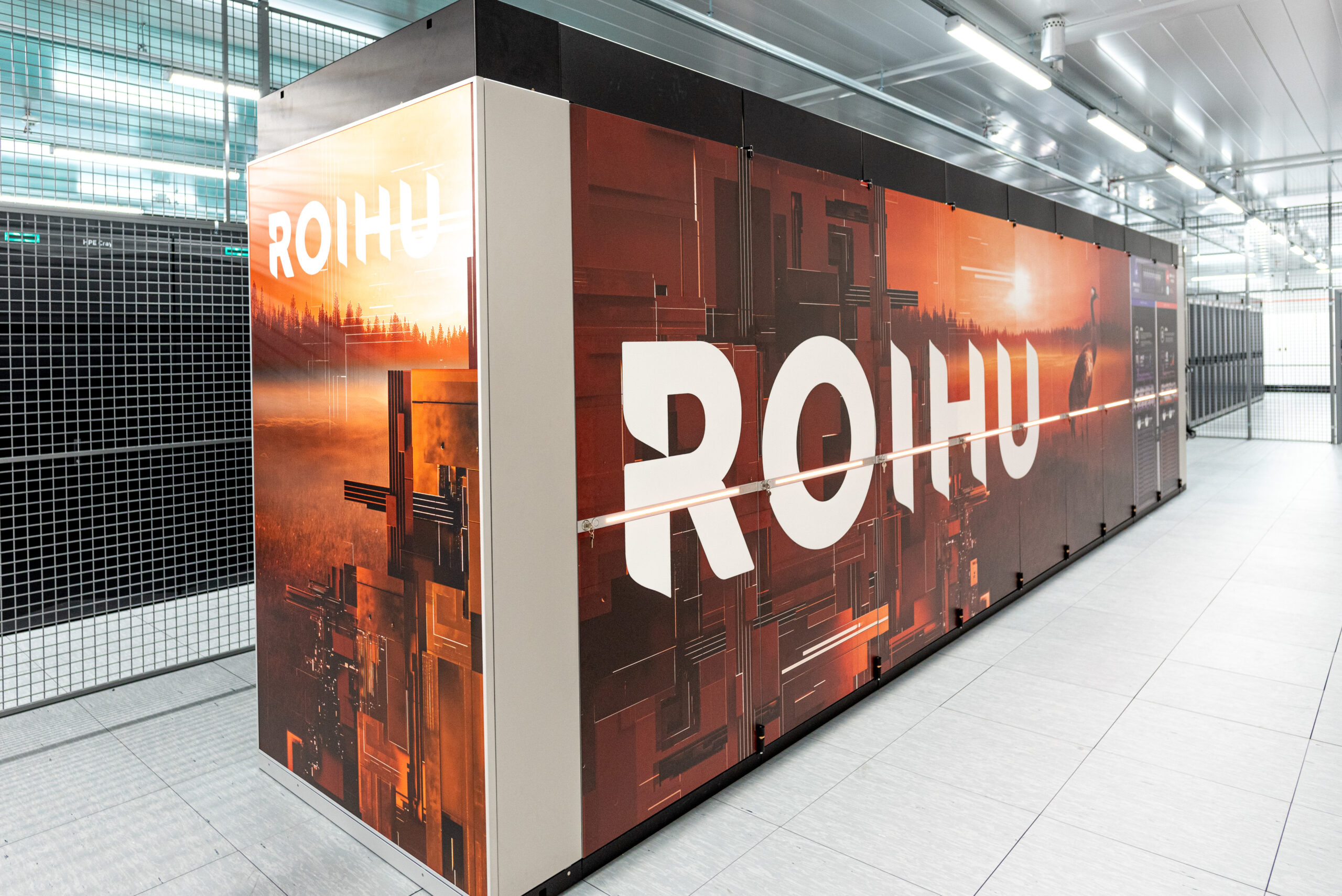
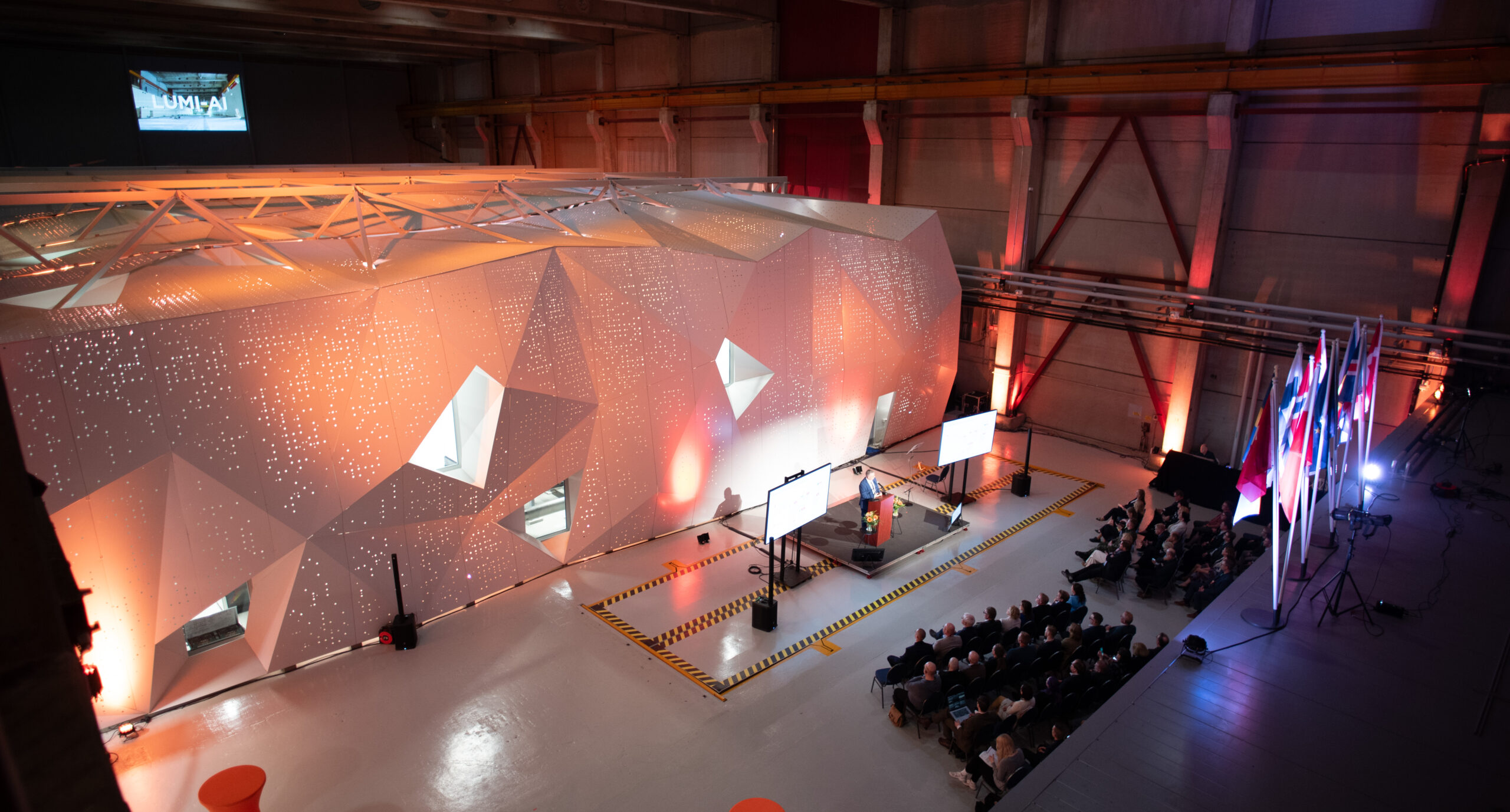
Roihu, Finland’s newest supercomputer, was officially inaugurated on 22 May at the LUMI data center in Kajaani. The celebration literally lit up the occasion, as the data center’s exterior glowed in Roihu’s signature orange for the evening. A distinguished group of invited guests gathered to mark the milestone, with the Finnish Government represented by Minister of Science and Culture Mari Leena Talvitie, who brought official greetings to the ceremony.
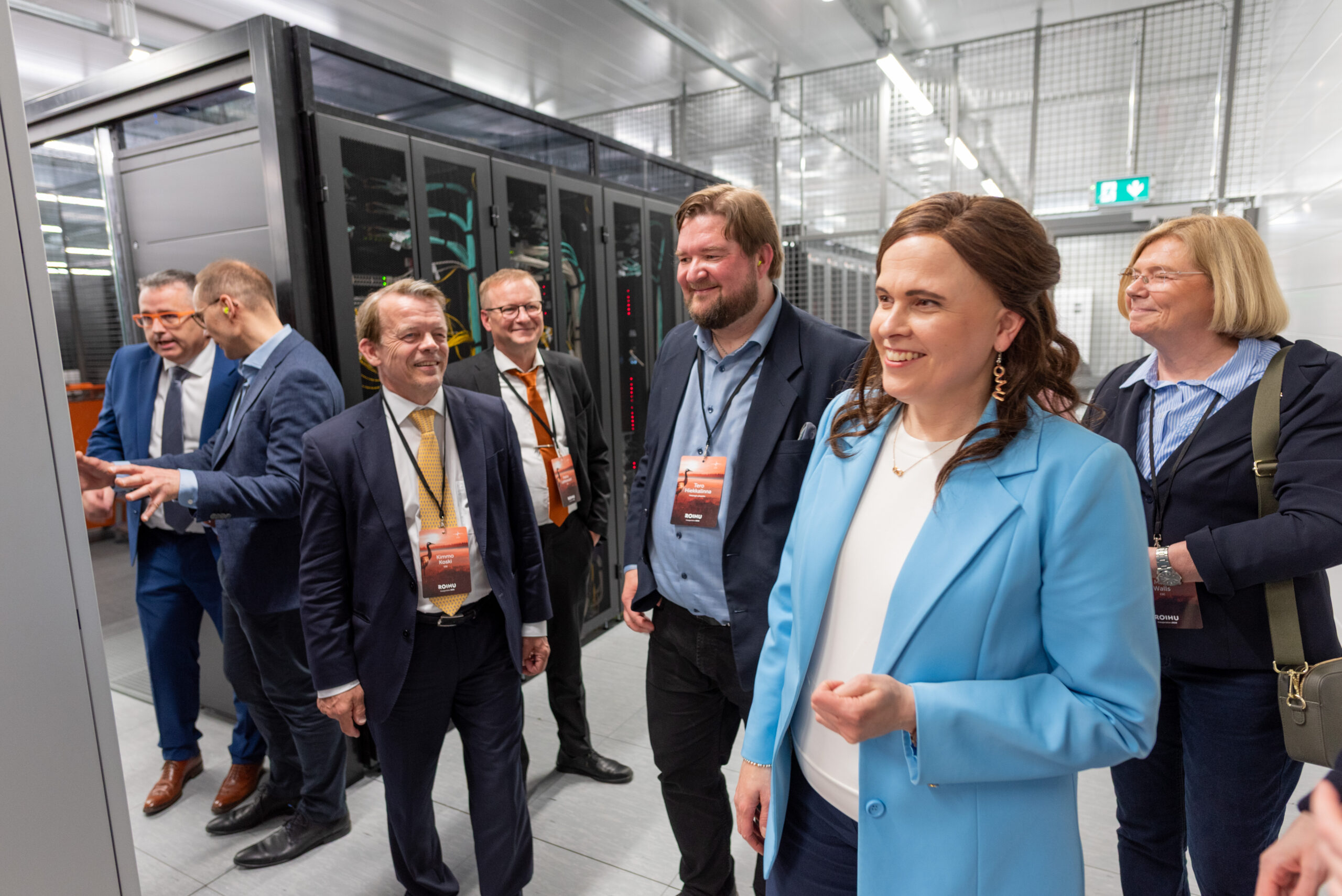
CSC General Manager Kimmo Koski opened the event, describing Roihu as a supercomputer designed to serve the needs of Finnish researchers, while ensuring that research data can be securely stored and managed within Finland.
“Bringing computing and data together in this way is still rare internationally. Finland’s centralized model creates strong synergies enables us to build an ecosystem that delivers tangible societal impact,” said Kimmo Koski.
He also referred to the major economic challenges Finland is currently facing, and the turbulent global environment.
“We need to boost growth and security, and digital infrastructures have a key role to play. Growth must come from innovation that increases productivity and strengthens skills. High performance computing has significant potential in both.”
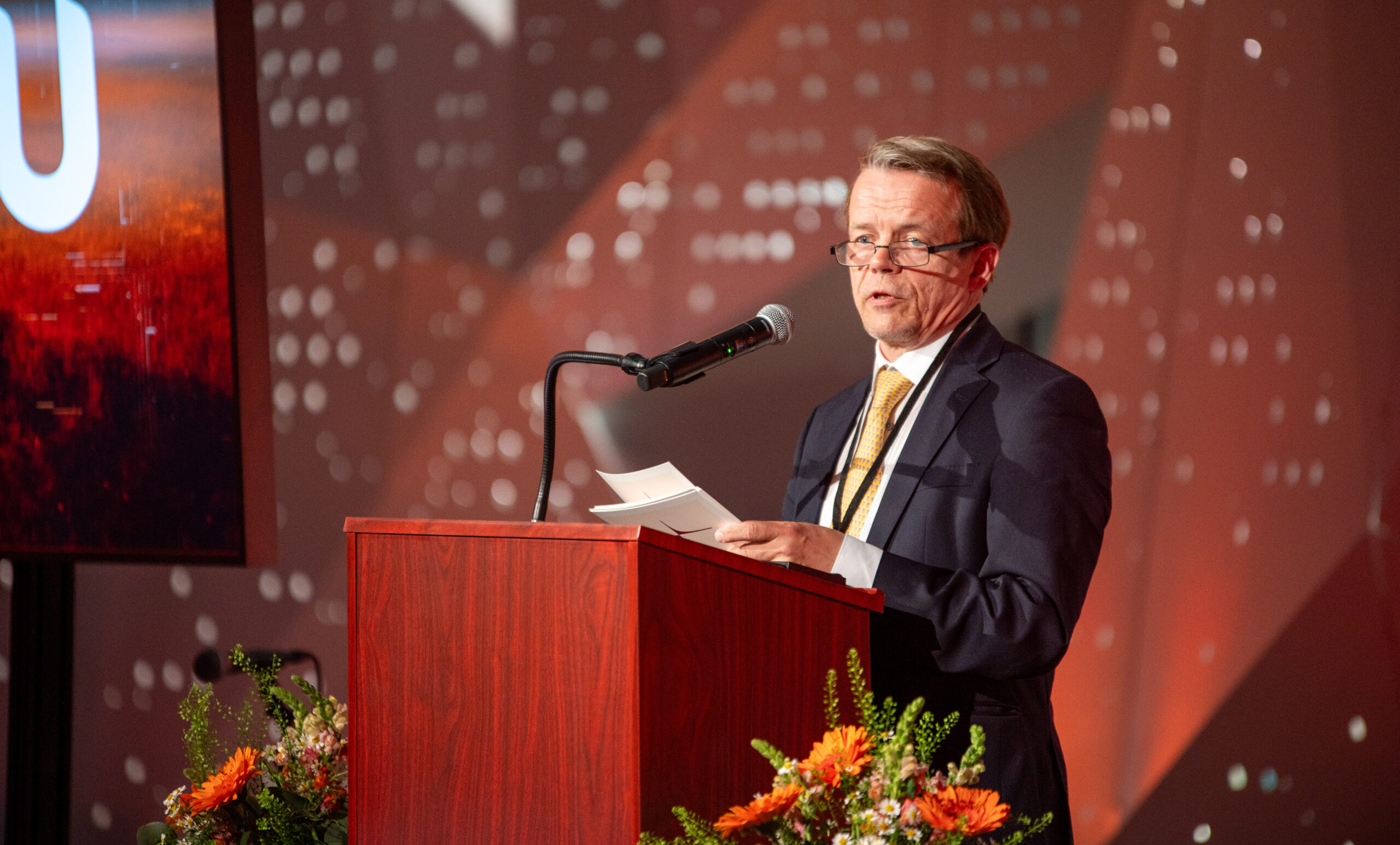
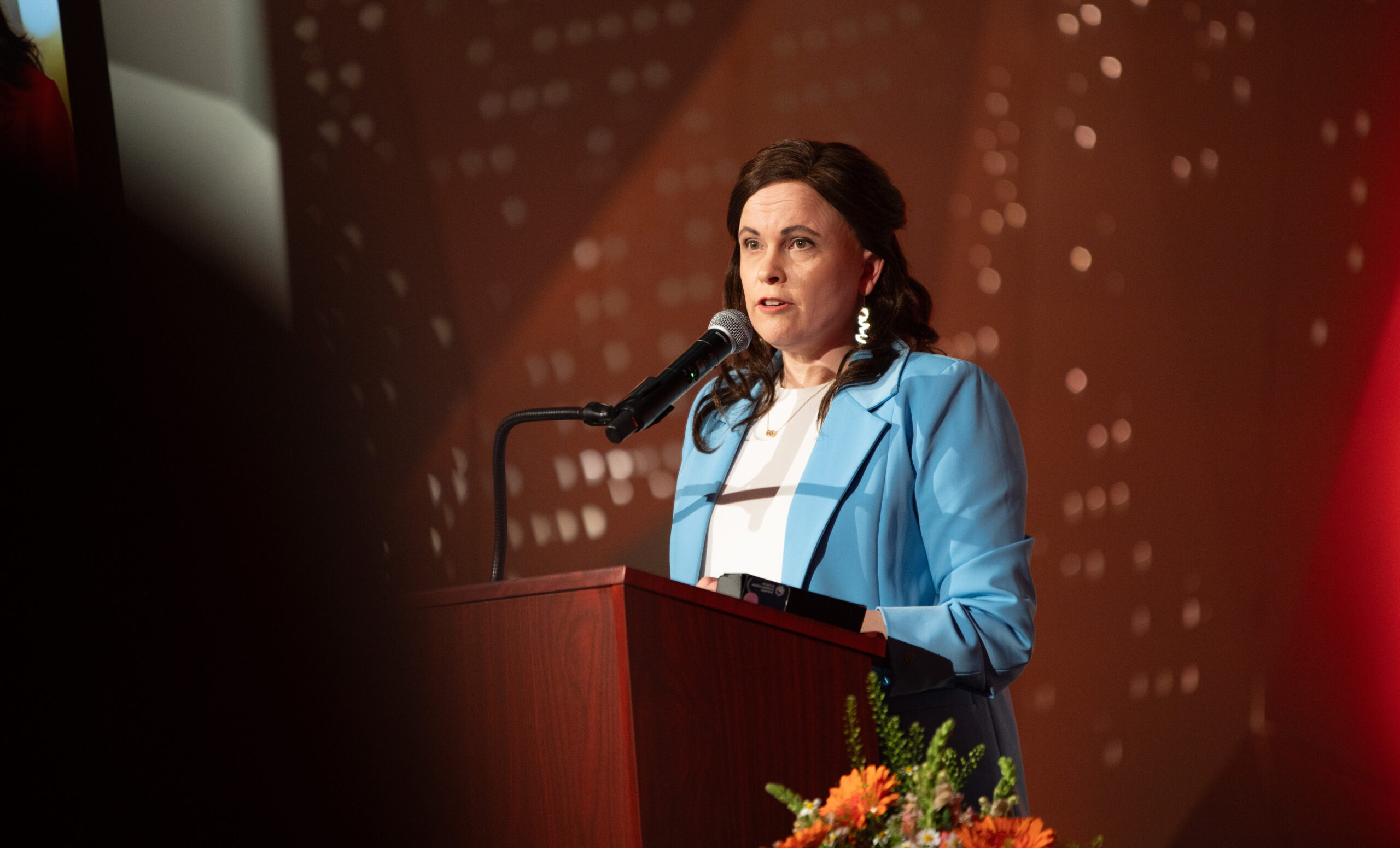
Minister of Science and Culture Mari‑Leena Talvitie brought greetings from Finnish Government.
“Finland has done major investments in European supercomputers such as LUMI supercomputer and LUMI AI Factory. However, these efforts to strengthen the computing capabilities in Europe don’t’ eliminate the need for national supercomputer, tailored specifically for Finnish research and innovations.”
“Together, Roihu and LUMI ecosystem, located here in Kajaani, form a unique environment for Finnish research and innovations. It meets the needs of researchers and companies and enables to tackle projects of different scales,” Mari-Leena Talvitie continued.
“Roihu triples our national computing capacity and ensures Finnish research remains internationally competitive” I want to thank CSC for all the work they have done on these themes,” said Talvitie.
A new era is here
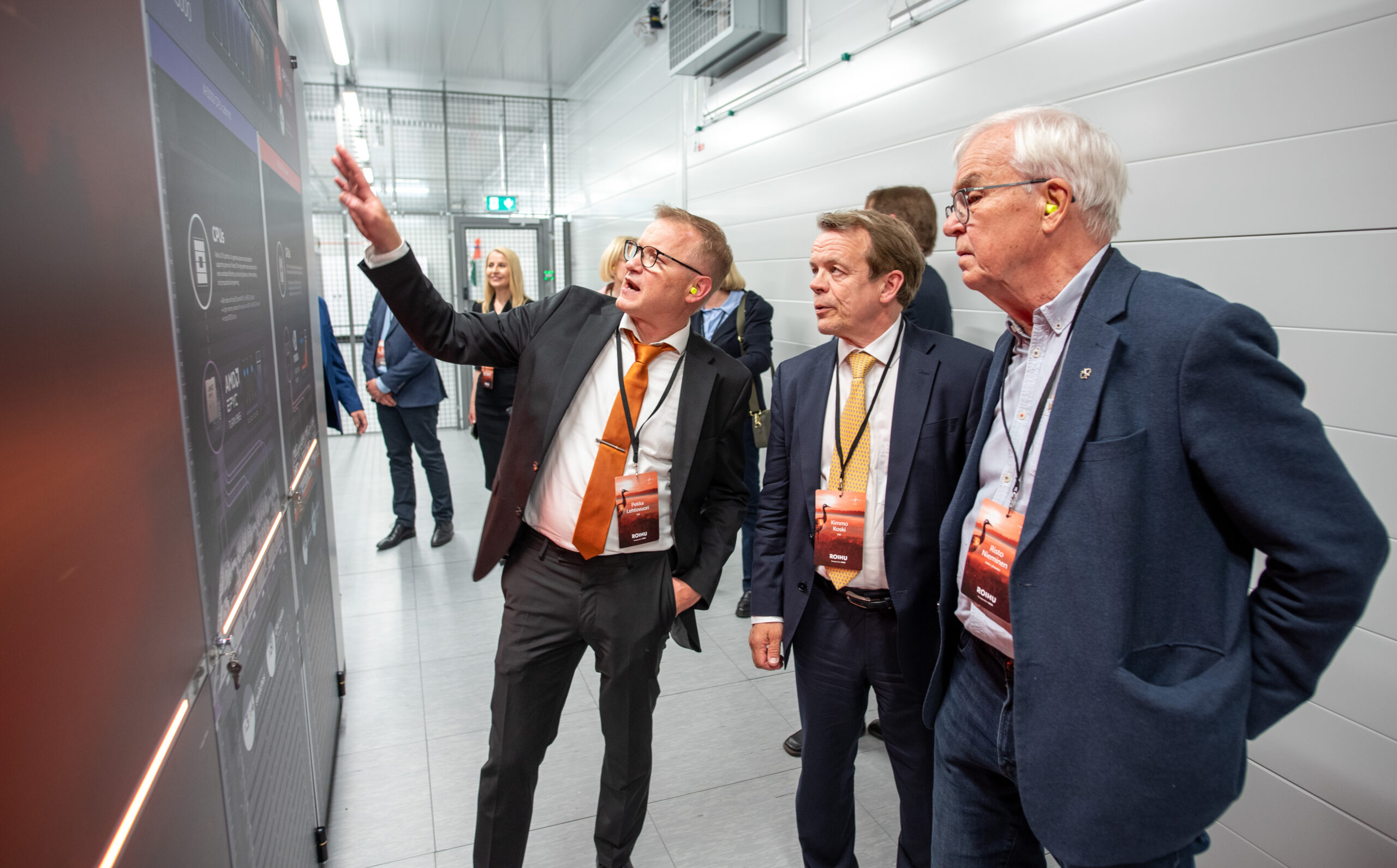
CSC’s Director of Advanced Computing Infrastructure Pekka Lehtovuori offered a detailed look at Roihu’s technical capabilities and design.
“A new era is here. Roihu will push the boundaries of the data and computationally intensive science,“ said Pekka Lehtovuori.
During the DL2026 program, CSC’s compute and storage resources are renewed in 2026, with the Roihu supercomputer forming the cornerstone of the new environment. In addition, the storage capacity of Allas is significantly increased and Pouta cloud services CPU and GPU capacity is expanded.
The increased capacity is essential for CSC’s rapidly growing user base. During the era of Mahti and Puhti, CSC’s former national supercomputers, the number of users tripled. In 2025, Puhti had 4,320 users and Mahti 1,577.
“There is no end in sight: AI, data and digitalization will continue to fuel growth in the coming years,” Lehtovuori predicted.
New features are also on the way. A secure tenant on Roihu platform will be integrated with CSC’s secure data management service, enabling high-performance computing with sensitive data toward the end of 2026. Furthermore, Roihu will be connected to Finnish quantum computers from 2027 onwards.
Words from the vendor, Bull
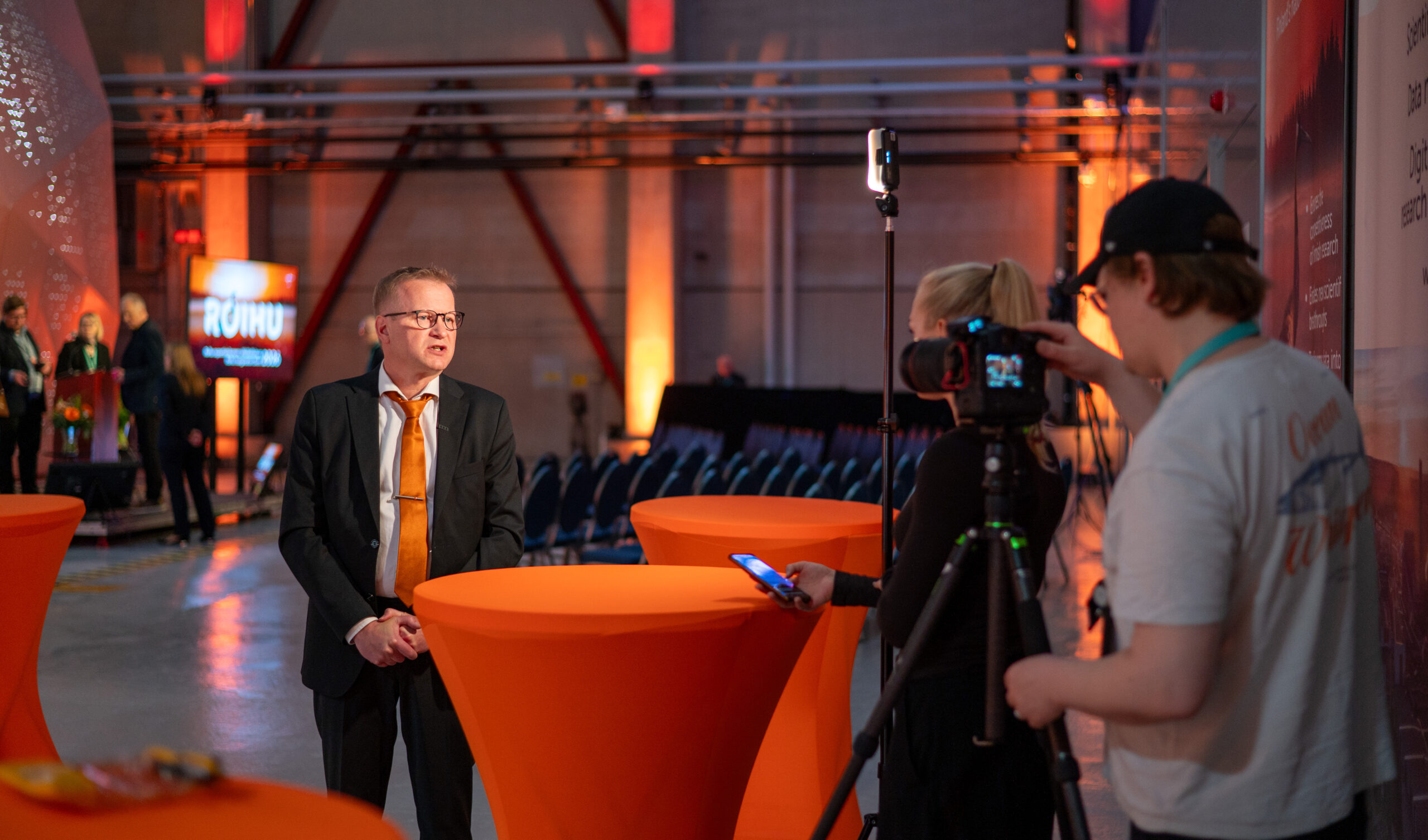
Bruno Lecointe, Group Vice President at Bull, opened his remarks by tracing the company’s long history. The story began in 1919, when Fredrik Rosing Bull invented the first tabulating machine. The Bull company was later founded in France in 1931.
In more recent decades, Bull became part of Atos following an acquisition in 2014 and was subsequently moved under the Eviden brand in 2022, while remaining within the Atos Group. Since the end of March 2026, Bull has operated as a private company owned by the French state.
For CSC, Bull is a familiar vendor: both of CSC’s former national supercomputers, Mahti and Puhti, procured in 2018, were delivered by Atos.
Greetings from the Pilot Users
CSC chose 28 Pilot projects to stress-test the system as a part of the acceptance phase.
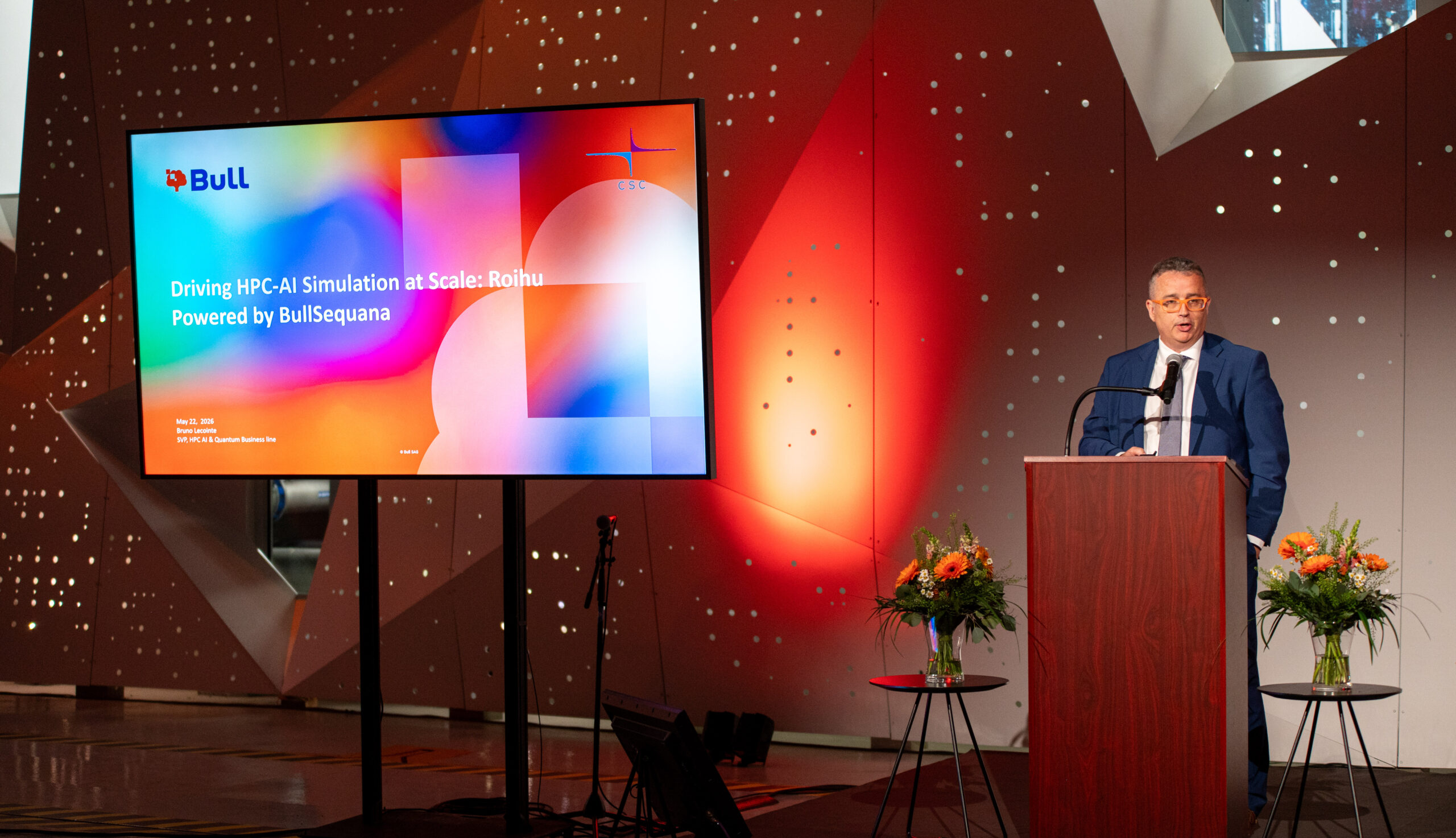
Professor Karoliina Honkala at University of Jyväskylä has already 30 years of experience in using CSC’s resources. Her pilot project is called “Targeted machine learning interatomic potentials for CO2 and biomass conversion.”
“We work in computational chemistry, aiming to understand how heterogenous catalysis takes place at the microscopic level and what factors control the activity and selectivity of the reactions,” Karoliina Honkala explained.
The research group uses multiple computational approaches, including electronic structure methods, molecular dynamics methods, machine learning and reaction kinetics modeling.
“To carry out this kind of research, the resources offered by CSC are crucial. Without CSC, my research profile would look quite different. And I’m not alone, many research groups in Finland are entirely dependent on resources CSC provides. This is vital for us,” Honkala said.
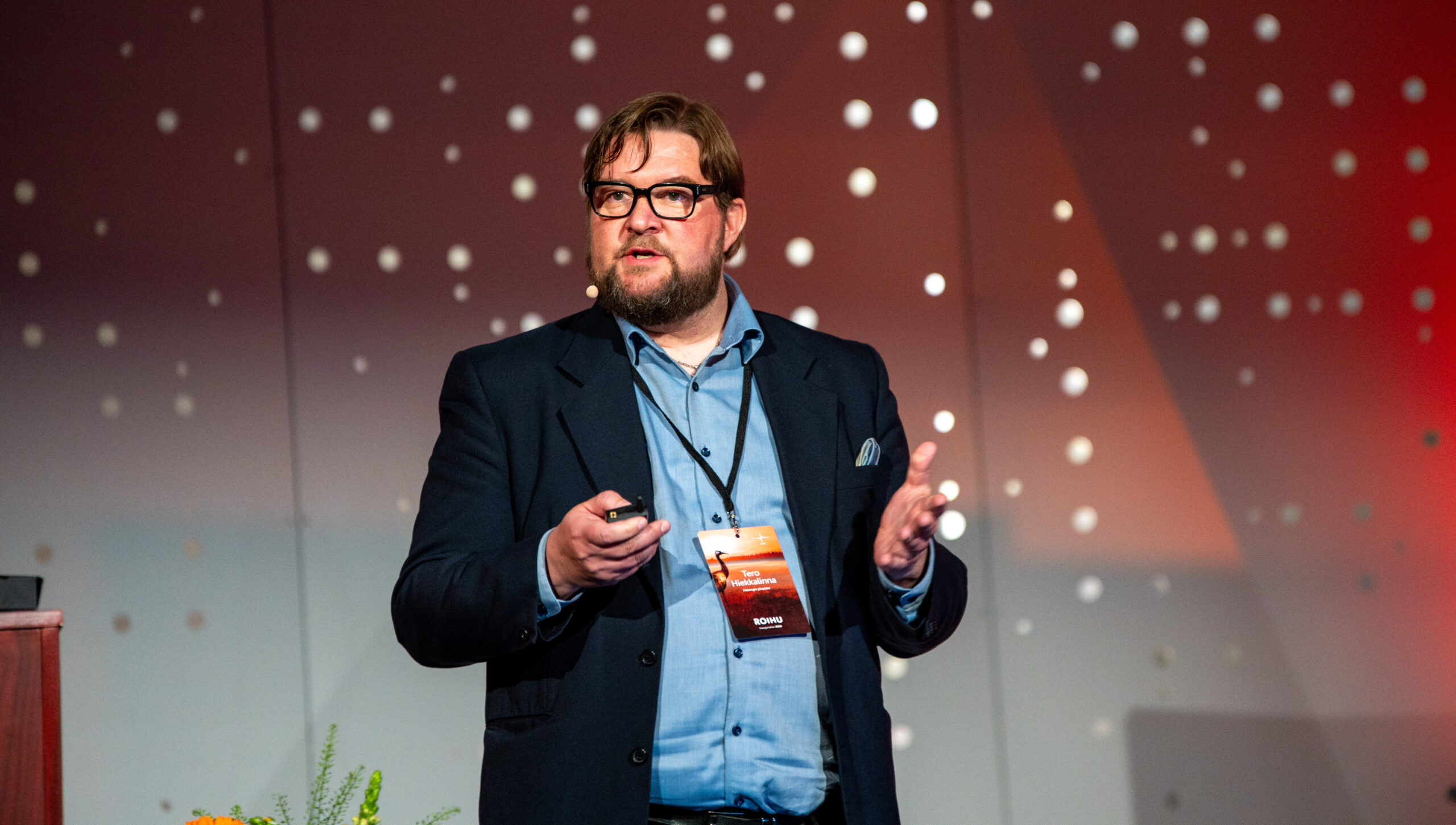
Associate Professor Tero Hiekkalinna from the University of Helsinki and the Finnish Institute of Health and Welfare leads a research group that simulates population genetic data. His pilot project “Assessing the Predictive Accuracy and Biological Relevance of Polygenic Risk Scores in Diverse Genomic Landscapes,” focuses on evaluating genetic risk prediction methods.
“In our simulations, we attempt to mimic the evolutionary process that generates the genetic architecture underlying present-day traits. For example, we simulate mate choice, migration and population substructure,” Tero Hiekkalinna explained.
He uses anymized datasets of more than one million genomes generated through 1+MG initiative. The researchers simulated 30 generations while keeping track of the chromosomal inheritance and recombination events.
Polygenic risk score (PRS) methods have been proposed as tools for predicting individuals at high risk of chronic diseases. In this project, the team evaluates the statistical properties of PRS methods in simulated datasets. The results are expected to provide valuable insights into the potential role of PRS models in the preventive medicine of the future.
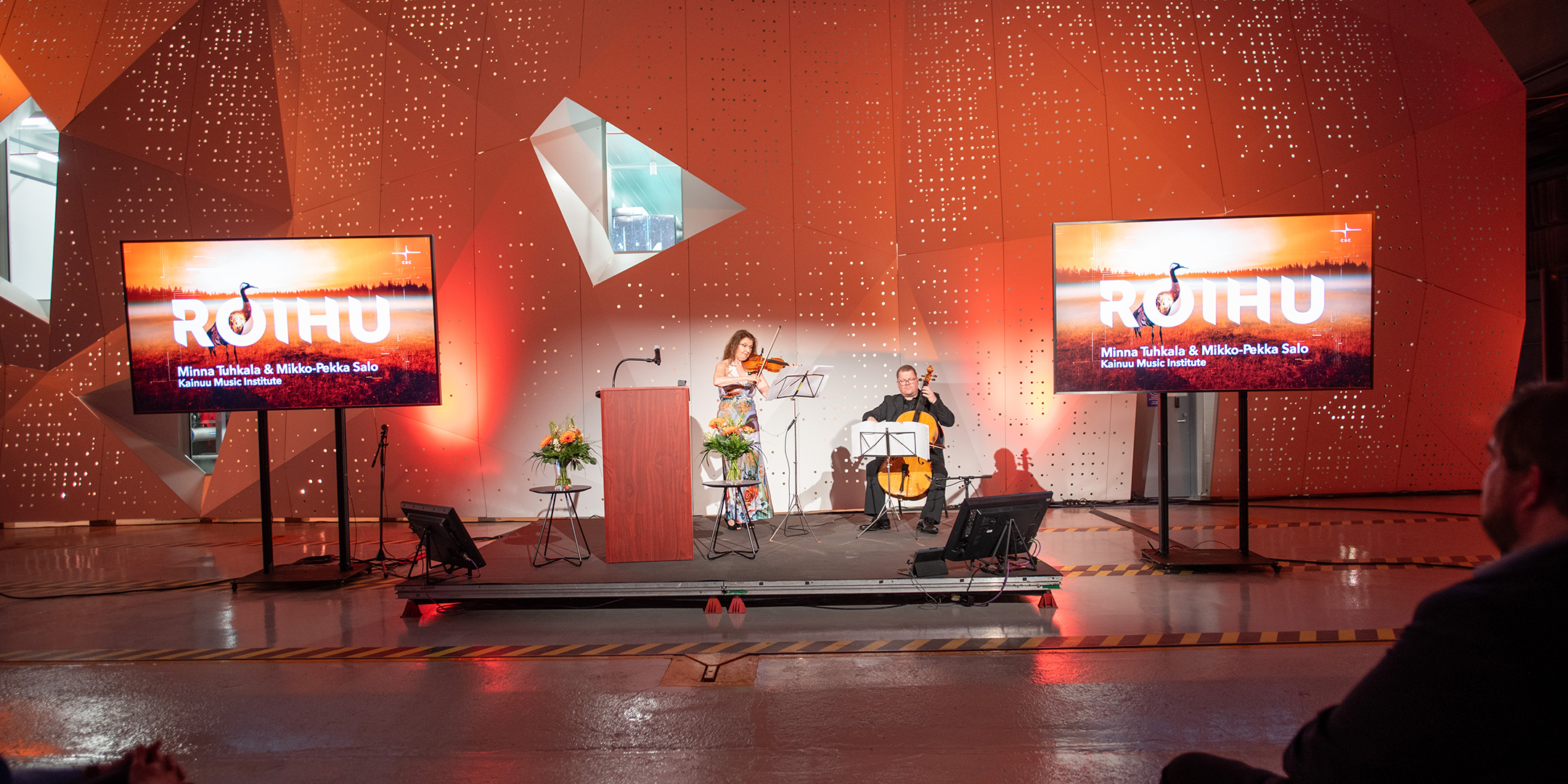
Hero image: Minna Tuhkala (violin) and Mikko-Pekka Salo (cello).
Text: Tommi Kutilainen, CSC
Photos: Mikael Kanerva, CSC
Read more
Tommi Kutilainen
Tommi Kutilainen works with communications at CSC, especially in the fields of science and research.