Supercomputer Roihu is now open for research use
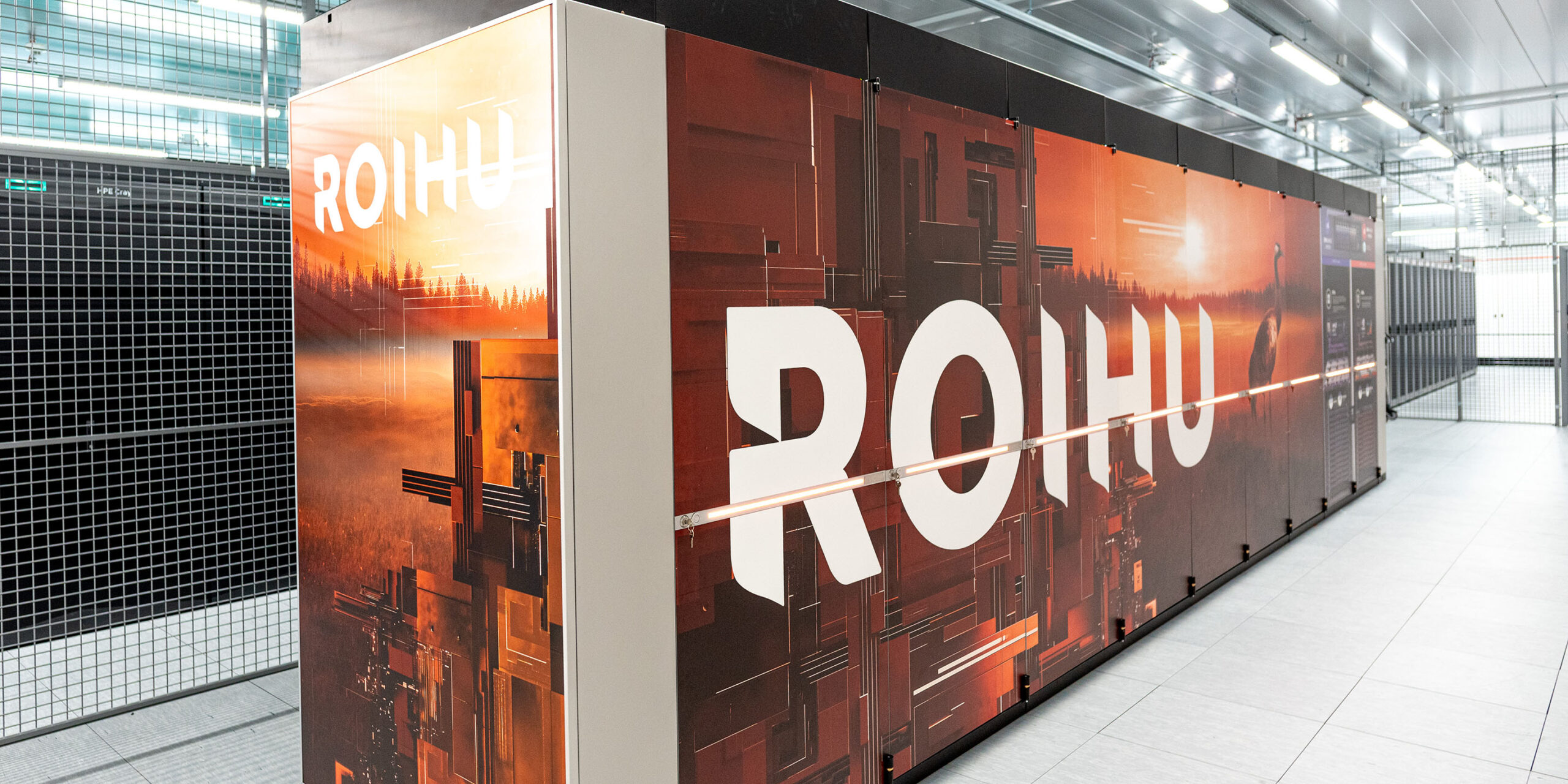
Finland’s new national supercomputer Roihu is now open for researchers’ use. Roihu will replace Finland’s previous supercomputers Mahti and Puhti. Puhti will continue to support research and education at Finnish universities, universities of applied sciences and research institutes.
The acceptance testing phase for Roihu supercomputer has been successfully completed, and the system is now ready for full deployment. During the spring, Roihu was piloted through 28 projects, testing a variety of workloads and use cases.
Roihu will triple Finland’s national computing capacity and will fully replace the Puhti and Mahti systems by the end of the summer 2026. The system is based on Eviden’s BullSequana XH3000 hybrid architecture.
In the latest Top500 ranking of the world’s fastest supercomputers, published at the ISC26 conference in Hamburg on 23 June, 2026, the Roihu-G partition ranked 91st and the Roihu-C partition 193rd.
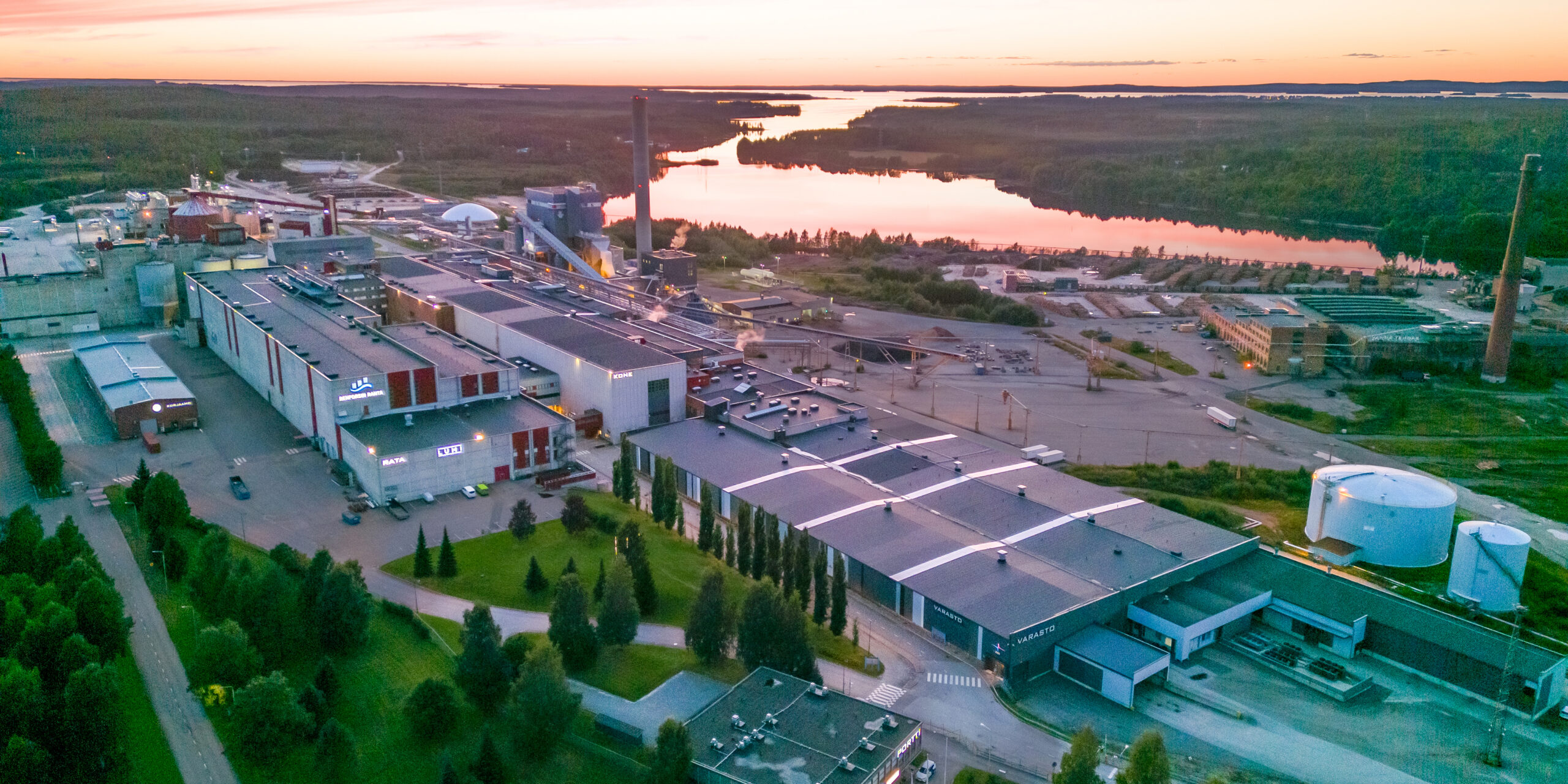
In the Green500 ranking, which measures the energy efficiency of supercomputers, Roihu placed 12th. The system runs entirely on renewable hydropower, and its excess heat is utilized in the district heating network of Kajaani.
Puhti continues to serve science
After its service at CSC, Puhti supercomputer will continue serving science, as CSC will donate it to Finnish universities, universities of applied sciences, and research institutes for research and education.
Puhti’s computing services will be shut down one month after the general availability of Roihu, but earliest by 31 July, 2026, at 12:00 EEST. Puhti’s storage will remain accessible until 15 October, 2026, at 12:00 EEST.
Puhti will be donated in smaller units to 11 universities, 9 universities of applied sciences, and two research institutes.
For the air-cooled Puhti, applications were received from 18 organizations, and the total requested capacity corresponded to approximately twice that of Puhti. Puhti’s high-memory nodes and GPU nodes were particularly in demand.
Puhti will be used, among other things, for:
- Scientific computing, simulations, and imaging analytics
- AI research and GPU-accelerated computing
- Education, including HPC expertise, data analytics, and data center simulations
- Strengthening local research infrastructure and replacing older equipment
Maintaining the liquid-cooled Mahti is more demanding, and its possible donation is negotiated directly with potential recipients.
Image: Mikael Kanerva, CSC
Read more
More information

Pekka Lehtovuori
PhD Pekka Lehtovuori is responsible for scientific computing infrastructures and their development.

Sebastian von Alfthan
Sebastian von Alfthan is responsible for CSC’s national supercomputing services and develops the high-performance computing ecosystem.