Arctic Ocean cable route could strengthen network connectivity between continents
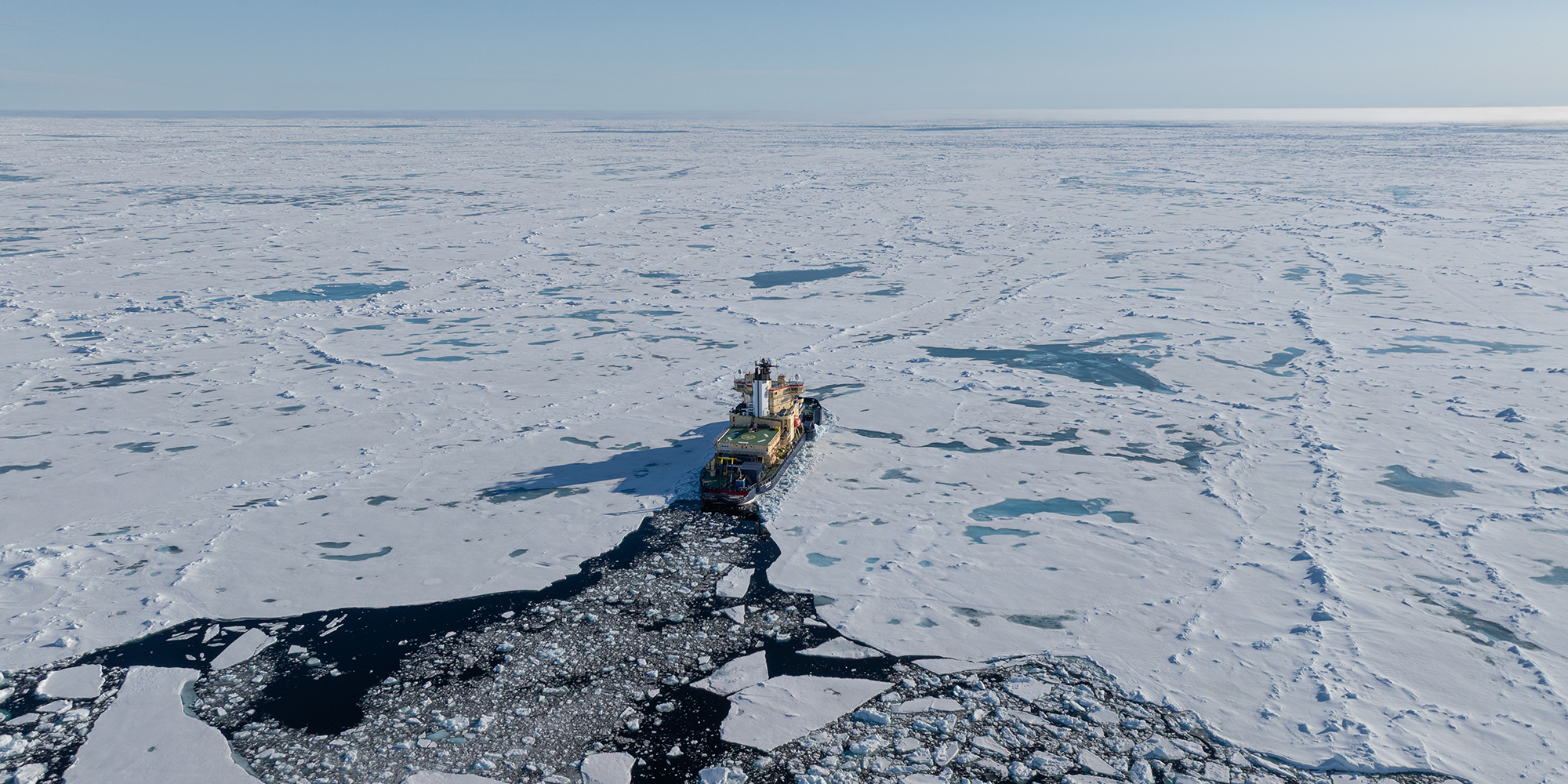
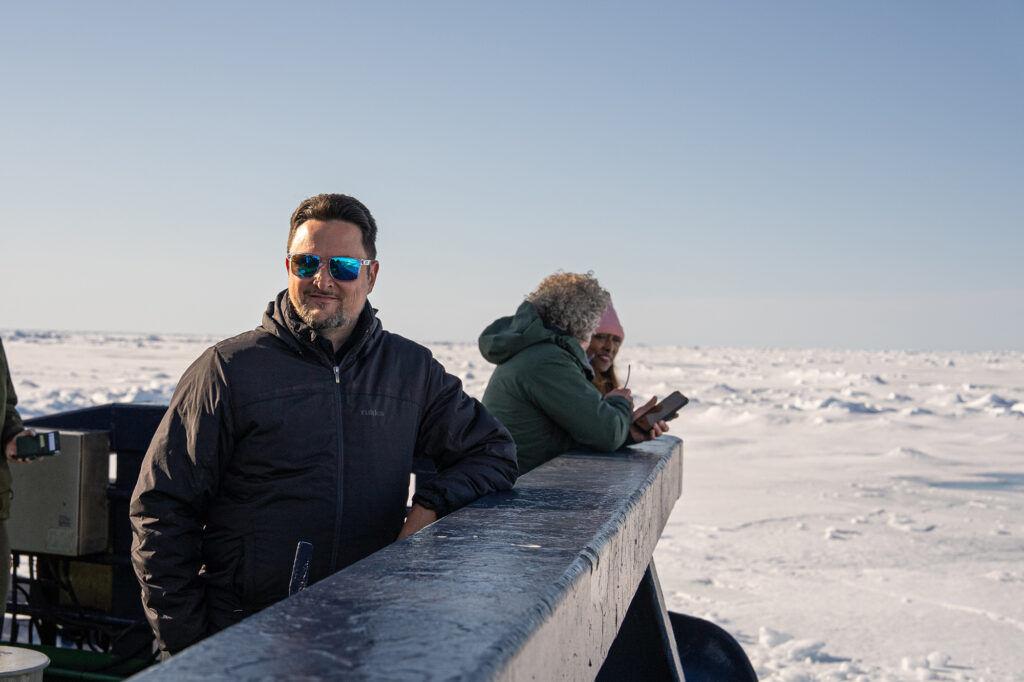
As the Swedish icebreaker Oden advanced beyond 80 degrees north latitude, it was surrounded by an Arctic landscape stretching to the horizon. In July and August, CSC’s Development Manager and networking expert Matti Laipio joined a Nordic expedition whose mission was to explore how a future submarine cable connection could be built through the Arctic Ocean, beneath Arctic sea ice, linking Europe, North America and Asia.
The Polar Connect initiative is investigating the possibility of establishing an Arctic submarine cable connection between Europe, North America and Asia. Such a future link could strengthen international connectivity, support research collaboration and improve the resilience of global digital infrastructure.
A key objective of the expedition was to map a potential cable route and assess the technical, operational and environmental challenges associated with deploying a submarine cable system in Arctic conditions. According to Laipio, one of the most important findings was that the connection appears technically feasible.
“One of the most important findings was that many of the issues previously considered major challenges for operating telecommunications cables in Arctic regions can be addressed through carefully designed operational concepts.”
While it appears technically feasible, the Arctic environment presents unique challenges of its own. The expedition gave participants a concrete understanding of the demanding conditions in which such work would need to be carried out.
“Perhaps the most impressive moment was when we were able to step out onto the sea ice. It was the first time the reality of where we were, and the kind of environment this initiative is being designed for, truly became tangible.”
During the expedition, the team mapped the seabed along the proposed cable route. At the same time, valuable information was collected on the region’s geology, ice conditions and the technical requirements for future infrastructure. One particularly interesting discovery was a previously less thoroughly mapped seamount.
The environment above the ice also left a lasting impression.
“The first things that come to mind are the vast Arctic landscape and the polar bears we saw during the expedition. It was an unforgettable experience.”
An Arctic initiative brings together experts from multiple disciplines
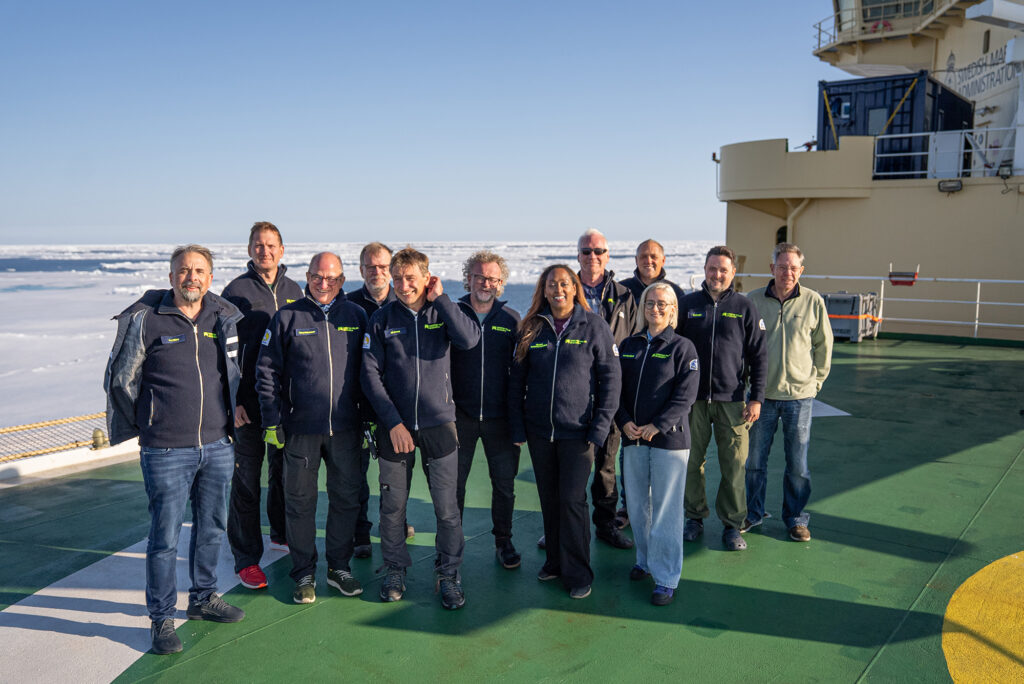
The Polar Connect expedition aboard the Swedish icebreaker Oden took place in the Central Arctic Ocean from 24 July to 10 August 2026. During the mission, the team mapped the seabed, collected scientific data and evaluated route alternatives for a possible future Arctic fibre-optic connection. In addition to the ship’s crew, the expedition included twelve experts involved in the Polar Connect initiative as well as a scientific team specializing in Arctic research.
Each participant had a specific role and area of responsibility, enabling information and perspectives to be gathered and analyzed from multiple angles.
“The expedition demonstrated how much can be achieved when experts from different fields combine their expertise towards a common goal.”
Laipio’s role was to contribute networking and submarine cable expertise and to provide a Finnish perspective on how the connection could serve the Nordic countries in the future, particularly in education and research.
Several workshops were held throughout the voyage, covering topics such as seabed research, cable technology, operational solutions and the specific requirements of working in Arctic conditions. Laipio’s main area of focus was submarine cable deployment and maintenance.
Daily discussions often centered on one key question: how can a cable be safely installed in an environment where moving sea ice creates entirely unique operating conditions?
“Many of the solutions are familiar from traditional submarine cable projects, but operating beneath Arctic sea ice introduces entirely new perspectives. We discussed, for example, how icebreakers could be used to create safe conditions for a cable-laying vessel.”
A new highway for data
Initiatives such as Polar Connect aim to create infrastructure whose impact may extend far into the future. Planning such systems is challenging partly because it is impossible to predict all the ways they may eventually be used.
“Many infrastructure projects are like that. We cannot foresee every future use case. Just as no one can predict all the opportunities created by a new motorway, we cannot know all the possibilities that new digital infrastructure will bring to its users. This new highway for data could enable entirely new forms of collaboration. By providing a more direct route between continents, it could for example reduce network latency.”
Connectivity is also a vital component of international research collaboration. World-class research infrastructures such as the LUMI supercomputer and the LUMI AI Factory depend on fast and reliable data connections so that researchers around the world can use them as effectively as possible.
“This is not just about a single cable. It is about how we build the connections of the future. The more alternative routes we have available, the more resilient the overall system becomes,” Laipio says.
In the future, an Arctic connection could bring research and data communities in Europe, North America and Asia closer together while providing new opportunities for emerging data center and research infrastructures.
“We are building connections that may still be in use decades from now. That is why it is important to plan them carefully today. If an Arctic connection is eventually realized, it could become a new kind of highway for data between Europe, North America and Asia. Exploring exactly these kinds of future opportunities is something CSC wants to be part of.”
Photos: Polar Connect
Lue lisää