Q-Neko project drives EU–Japan quantum collaboration into a new era
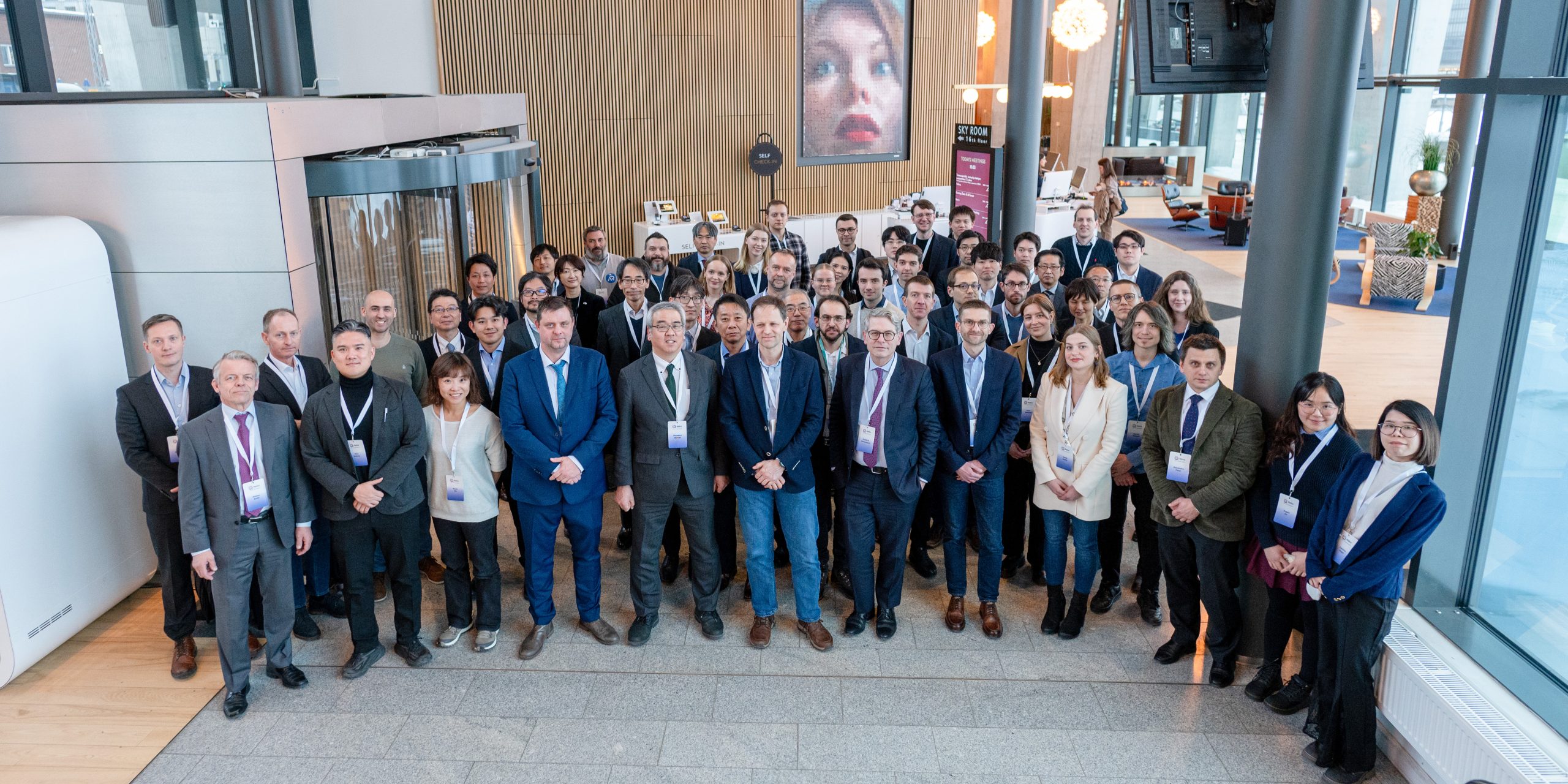
Collaboration between Europe and Japan in quantum technologies and high-performance computing (HPC) is taking a significant step forward with the launch of the Q-Neko project in 2026. The Q-Neko project kick-off meeting takes place on 10-12 February 2026 in Helsinki, Finland.
Q-Neko (The Nippon-Europe Quantum Koraborēshon) unites top-tier research and industry stakeholders from Europe and Japan to develop future computing solutions that support digital transformation and strengthen international expertise. It explores quantum-enhanced solutions in fields such as materials science, CO₂ reduction, telecommunications, fluid dynamics, and satellite image analysis.
The project also aims to harness the power of quantum-enhanced machine learning and artificial intelligence, opening new frontiers in data-driven scientific discovery and decision-making.
”Q-Neko will drive the emerging promise of combining traditional supercomputing with quantum acceleration towards concrete societal impact. Here, collaboration amongst trusted partners is highly valuable resource,” muses Mikael Johansson, coordinator of the Q-Neko effort at CSC.
Q-Neko is the first concrete action stimulated by the Letter of Intent on Strengthening Cooperation in Quantum Science and Technology signed in May 2025 by Japan and EU, preparing for a quantum-accelerated society. This ambition is supported by the EU–Japan Digital Partnership, established in May 2022, which emphasizes the importance of information exchange in HPC, quantum computing, and hybrid HPC+QC approaches.
”We fully share Q-Neko’s vision of uniting classical supercomputing with quantum acceleration to unlock meaningful societal impact. As partners, we see tremendous value in working together to turn this emerging technological promise into practical solutions. By combining our respective strengths and fostering a trusted, collaborative ecosystem, we can accelerate innovation and bring real benefits to industry, science, and society,” says Masahiro Horibe, deputy director of G-QuAT at AIST.
Laying the groundwork for a quantum-accelerated society
Funded by Horizon Europe and the EuroHPC Joint Undertaking on the European side, and Japan’s Cross-ministerial Strategic Innovation Promotion Program (SIP), Q-Neko advances EU–Japan collaboration in quantum technologies through five closely connected ambitions.
By facilitating the exchange of researchers and engineers, Q-Neko will foster even closer technological and scientific networking between European and Japanese quantum communities and contribute to building a strong and sound foundation for long-term collaboration between the regions.
The initiative seeks to promote the sharing of key resources and know-how across the two regions. The project will also produce a forward-looking technology roadmap designed to strengthen secure supply chains and guide future strategic collaboration.
In parallel, Q-Neko aims to assemble a high‑impact library of quantum‑enabled solutions that address pressing scientific and industrial challenges. To support international alignment, the consortium will contribute to the development of robust benchmarks and to pre‑standardization efforts in the emerging field of HPC–quantum integration. Finally, the project advances the software stack required for seamless HPC+AI+QC integration, laying essential groundwork for the next generation of hybrid computing systems.
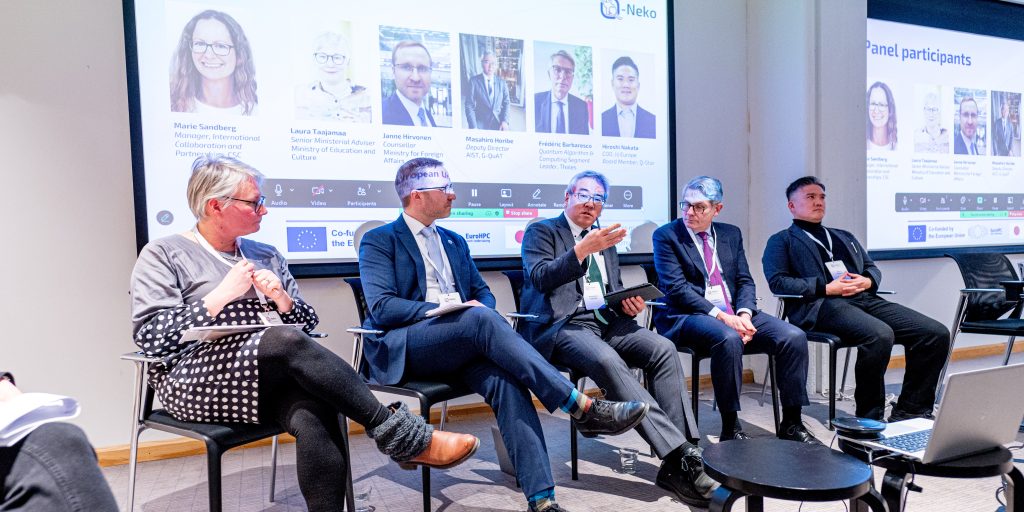
The high-level panel held on Tuesday, 10 February examined how EU–Japan quantum collaboration can remain open by design and secure by default in a rapidly shifting policy environment. As research security gains prominence in the EU, Japan has similarly elevated issues of research integrity and security in response to increasing internationalization. The discussion offered valuable perspectives that support the implementation of Q‑Neko’s objectives and situate the project’s activities within a broader vision for advancing Europe–Japan cooperation in quantum science. The panelists were: Frédéric Barbaresco, Thales, France, Janne Hirvonen, Ministry of Foreign Affairs, Finland, Masahiro Horibe, AIST, Japan, Hiroshi Nakata, Q-Star, Japan, and Laura Taajamaa, Ministry of Culture and Education, Finland.
The project is coordinated by CSC – IT Center for Science (Finland) and involves a broad and diverse consortium, including IQM Quantum Computers, Forschungszentrum Jülich, the German Aerospace Center (DLR), CEA France, Thales, Jij, the French National Laboratory of Metrology and Testing (LNE), VSB – Technical University of Ostrava, QunaSys, Aalto University, Japan’s National Institute of Advanced Industrial Science and Technology (AIST), Chodai Co., and KDDI Corporation.
Photos: Mikael Kanerva, CSC
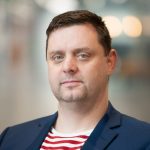
Mikael Johansson
Mikael Johansson enables the uptake of quantum computing and communications at CSC, and develops quantum infrastructure as an integral part of the high-performance computing ecosystem.